
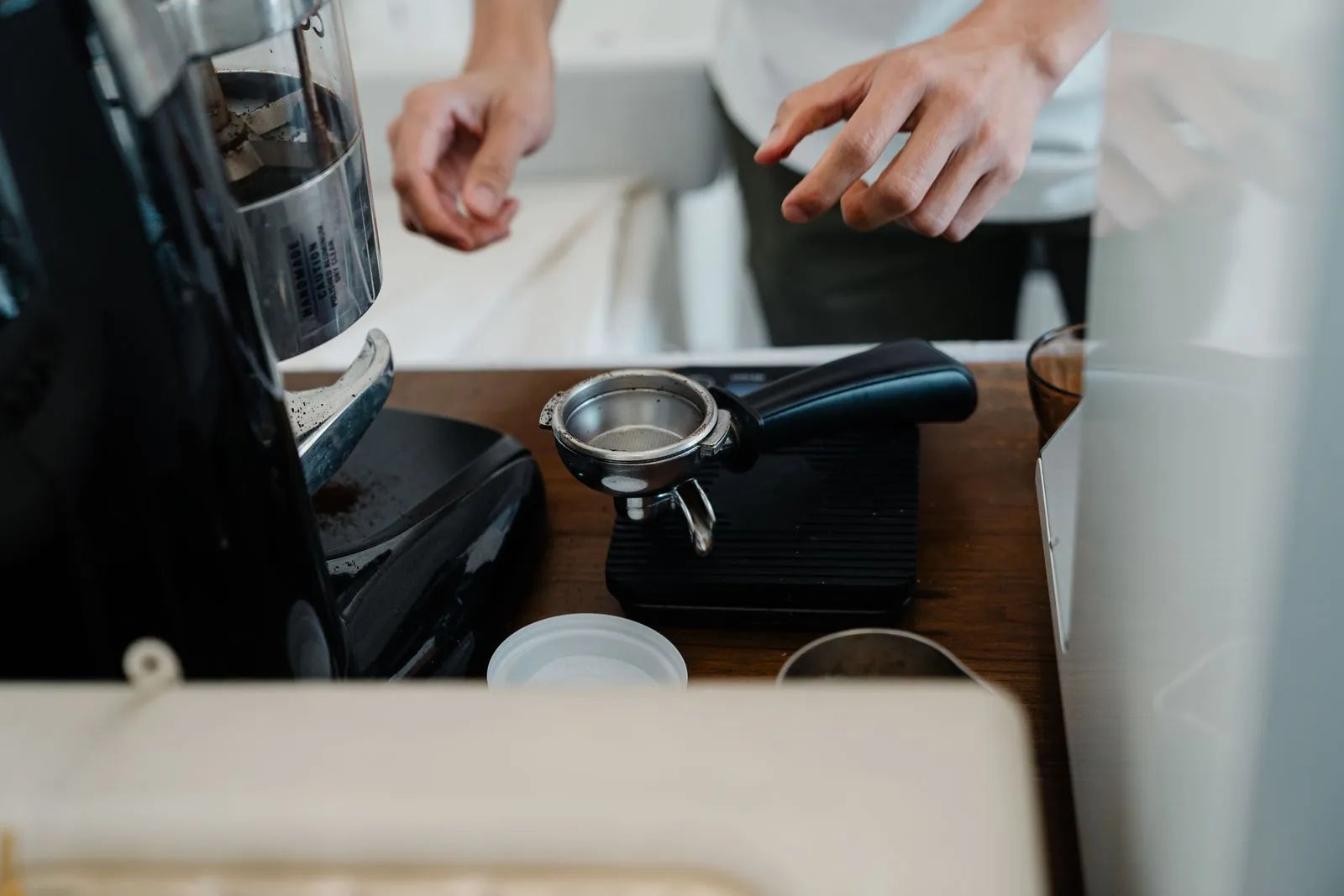
A home espresso machine should fit both your coffee habits and your kitchen. Before comparing models, consider how much control you want, how quickly you need your first drink, and whether you have room for the machine and its accessories. Daily cleaning matters, too: a feature-rich machine can be a poor fit if its upkeep feels like a chore. Use these practical checks to narrow your choices and avoid paying for features you will rarely use.
Choose Your Level of Control
Manual and semi-automatic machines give you more control over grinding, dosing, tamping, and shot timing. They suit people who enjoy learning a repeatable routine and are willing to adjust when beans or grind settings change. A separate grinder is usually part of this setup, so include its cost and counter footprint when comparing options.
Automatic and super-automatic models handle more steps for you, such as controlling shot volume or grinding beans. They can make preparation simpler, but check which settings you can adjust and how the machine cleans its brewing parts. If you mainly want espresso with minimal hands-on work, convenience may matter more than fine control.
Compare Features That Matter
Look first at the features tied to the drinks you actually make. If you drink straight espresso, prioritize consistent temperature, straightforward shot controls, and a portafilter size that works with readily available accessories. If you make milk drinks, consider how the steam wand works and whether the machine lets you steam milk soon after pulling a shot.
Heating systems affect how a machine behaves during a busy morning. Some machines need a pause between brewing and steaming, while others can handle both tasks more smoothly. Check the manufacturer’s instructions for warm-up and recovery time rather than assuming a machine is ready immediately. Also consider whether the controls are clear enough for anyone in your household to use.
Measure Your Counter Space
Measure the available width, depth, and height before shopping. Leave room to load water, open any top-mounted bean hopper, remove the drip tray, and lift the machine’s water tank. If cabinets hang above the counter, check that you can still reach the parts you need to refill or clean.
Plan for the whole coffee setup, not just the machine. A grinder, scale, knock box, tamper, and space to set down a cup can take up as much room as the espresso maker itself. If your counter is limited, compare compact models and decide which accessories can be stored elsewhere. A machine that fits on paper should also leave a clear, comfortable work area.
Account for Daily Cleaning
Most espresso machines need a quick cleanup after use. Expect to wipe the steam wand immediately after steaming milk, purge it as directed, and rinse the portafilter and basket. Empty the drip tray and knock out spent coffee grounds as needed. These small steps help keep residue from building up and make the next drink easier to prepare.
Before buying, find out how to clean the brew group, water tank, and milk system, if included. Check whether parts are removable, whether the machine signals when it needs descaling, and what water the manufacturer recommends. A simpler cleaning routine may be a better match than extra automation if you want equipment that is easy to maintain consistently.
Choose a machine that suits your preferred level of control, fits your counter with its accessories, and has a cleaning routine you can keep up with. Make a shortlist, then compare the user instructions and care requirements for each option. Elm City Coffee Gear can help you think through your home setup and espresso routine.